
The right plan beats a bigger space. Every time.
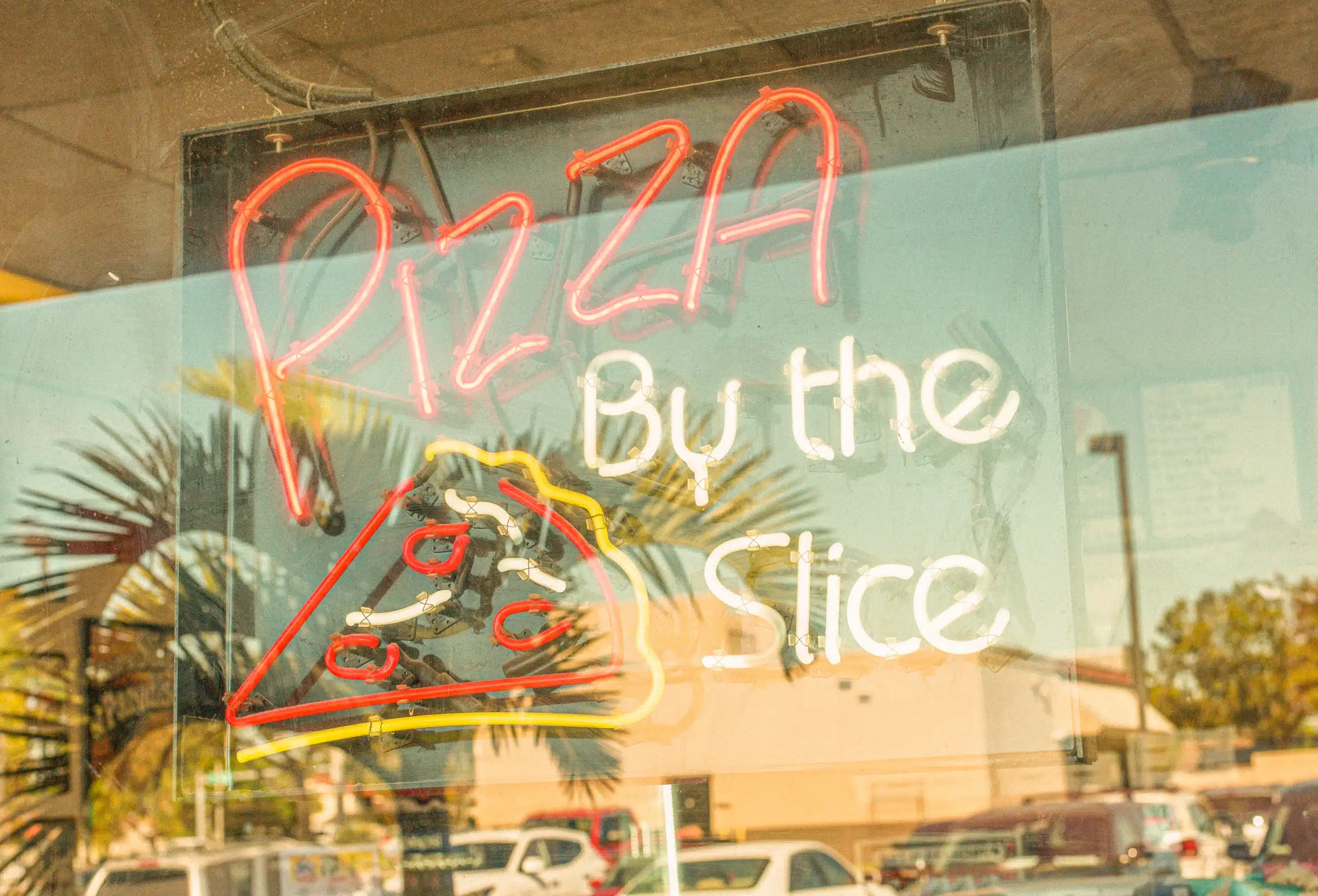
Is it possible to open a pizzeria inside a convenience store with no restaurant experience?
Short answer: Yes.
Long answer: You can do it when you know what you want and the conviction to find it. You’ll need low rent. An existing hood. A walk-in that’s already there. A gap nobody else in town is filling. And a dream.
At least, that’s what happened for Bob at Raging Masshole Pizza Co. in Norton, Massachusetts.
Now, Raging Masshole cranks out 150+ pizzas a night out of 700 square feet, running three styles of dough, two ovens, and a crew of high schoolers. It’s sweaty. It’s loud. It’s working.
Before you start dreaming about a bigger space, a better address, or more equipment, here’s what Bob figured out, and what you can steal for your own shop.
Watch the full episode 👇

PRO TIP: Download your Space & Systems Planner worksheet to take notes as you read.
6 lessons on making the most of your pizzeria using what you already have
1. Your constraint is your concept
If you only have 700 sq ft, don’t fight it. Build around it.
Take Raging Masshole as an example: Two ovens, each dedicated to a different style. A galley flow Bob refines every single week. And a tight footprint that forces focus.
Owners look at a small space and see a ceiling. Others, a proof of concept. If Bob can do 150 pizzas a night in 700 sq ft, imagine what you can do with more room. But first, prove it here.
The question to ask before signing any lease isn’t, “is this big enough?” It’s “can I build the right systems here?” Systems scale. Square footage doesn’t, automatically.
Your turn: Draw your kitchen flow. Where does it break down on a busy night? Pick one bottleneck and fix it this week.
2. Low overhead is a strategy, not a compromise
Bob pays $2,500 a month, including gas, heat, and electricity. The hood was already there. The refrigeration was already there. He came in, cleaned it up, painted the front, and started making pizza.
When your fixed costs are low, every pizza you sell works harder for you. At $15 for a 14-inch cheese and ~$4 in margin, volume is the game for Raging Masshole.
A big, beautiful space with crushing rent can kill a great pizza shop. A modest space with lean overhead can make one. Before you sign anything: what’s already here that you can use?
Your turn: List every fixed cost in your shop. Which ones are non-negotiable? Which ones could be lower?
3. Start with one thing and do it right
Don’t be afraid to say no. Bob didn’t have a fryer, so when customers asked for wings, he just said no. If pizza is your game, focus on it. Figure that out first.
It sounds simple, but it’s so hard, especially when customers are asking for more and you think you’re leaving money on the table. You’re not. You’re protecting your focus.
Every item you add is another thing that can go wrong, another thing your staff has to learn, another thing slowing down your line. Bob added the fryer eventually. But only after the pizza was dialed in.
Your turn: What’s one item on your menu that doesn’t need to be there yet? What would it free up if you cut it?
4. Social media is your marketing department
People make a trip to get to Raging Masshole. How do they find out about him? The South Shore Bar Pizza Facebook group. Local influencers. Wicked Bites TV.
Plus, word spreads fast when the pizza is good, and someone’s posting about it.
Make something worth talking about and get it in front of the right communities. You don’t need foot traffic if you’ve got a following.
Figure out where your customers hang out online and show up there consistently. Slice’s marketing tools can help you stay visible without spending hours on it.
Your turn: Name one local Facebook group, food page, or community where your customers already are. How can you show up there this week?
5. “Burn the boats.”
Your attitude from day 1 has to be, “it has to work.” Bob had no backup plan. No “if this doesn’t work out.” He shut his ears to the doubt and committed.
It’s not recklessness. It’s how you get through the hard parts — the staff who don’t show up, the payroll you didn’t know how to run, the months of beating your head against the wall to dial in the menu. If you’ve got an exit in your head, you’ll take it.
The owners who make it aren’t always the most experienced or the best funded. They’re the ones who decided failure wasn’t an option.
Your turn: Write down the one thing that’s been making you hesitate. What would you do differently if quitting wasn’t on the table?
6. Your unique product is worth protecting
The unique aspect of your pizza isn’t an accident. It comes from obsessing over what makes your pizza yours, and refusing to copy just because something worked somewhere else. Bob spent months refining and perfecting three dough styles, all made in-house, all different, all intentional.
Whatever space you end up in, make sure you know what makes your pizza yours. That’s the thing worth building around.
Your turn: What’s one thing about your pizza or your shop that nobody else in your market does? If you can’t name it, that’s your next project.
Forgot to write stuff down as you went? Download the Space & Systems Planner worksheet and work through your setup the way Bob did — with honesty about what’s working and what’s holding you back.
Ready to run a tighter, more profitable shop?
Raging Masshole is proof that you don’t need thousands of square feet or a restaurant pedigree to build something real.
You need low overhead, a focused menu, and the stubbornness to figure it out. Slice helps independent pizzerias do more with what they have — from online ordering that works while you’re in the weeds, to marketing tools that keep customers coming back.
Follow us @slice for more stories like Bob’s.
Know a pizzeria owner who needs to hear this? Share this post with them.