
Running two pizza styles (New York and Detroit, anyone?) is one of the most common ways independent owners try to differentiate.
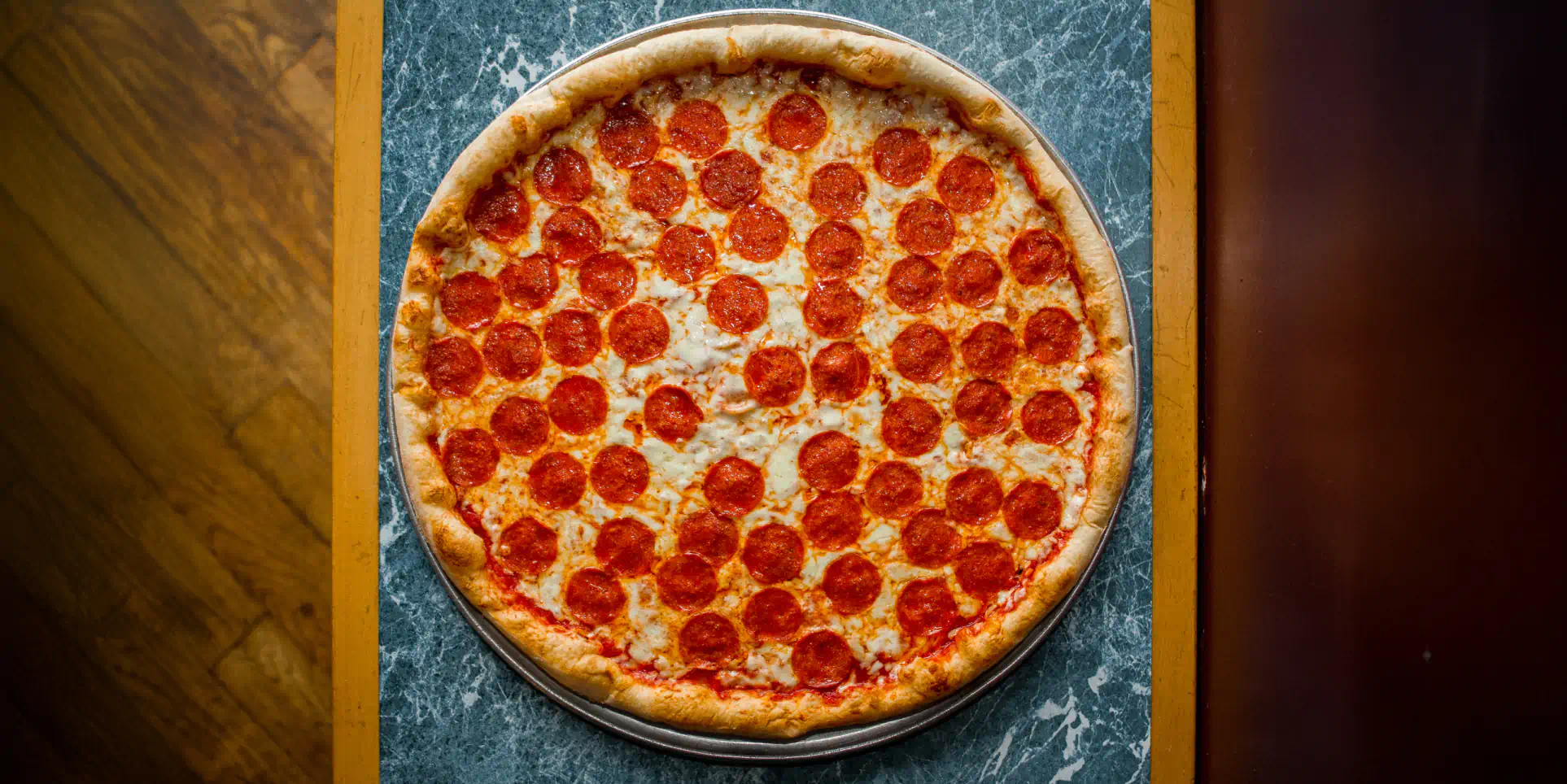
Running two pizza styles is also one of the most common ways a kitchen turns into a bottleneck. Not because it can’t be done, but because the systems most shops use weren’t built for it.
Here’s how to make it work.
The problem isn’t the styles, it’s the timing
New York-style and Detroit-style don’t just taste different, they cook differently.
- Different temps.
- Different durations.
- Different prep sequences.
When those timelines collide on a Friday night, you get orders getting held, quality suffering, and staff improvising in ways that create inconsistency.
The fix isn’t to pick one style. It’s to build your kitchen flow around the constraint. If Detroit takes 25 minutes and New York takes 14, those two tickets shouldn’t be treated the same way in your queue.
Separate your prep workflows
Two-style shops treat each style as its own prep lane, even if they share oven space. Different dough on different trays, different topping stations, different pull times. When a ticket comes in, the person building it knows immediately which lane it belongs to.
If your make line is set up so that any pizza could be built at any station, you’re creating choice under pressure. Choice under pressure creates mistakes.
Use your online ordering system to manage the mix
This is an underused tool. If your online ordering platform has category-level ETA control, you can quote different times for different styles. Customers ordering Detroit on a Friday night see an honest 30-minute quote. Customers ordering New York see 20 minutes. Both are right. Both are honest. Neither creates an angry phone call.
Slice gives you the menu architecture to do this (separate categories with their own pricing, modifiers, and visibility controls). You can even turn a style off during a rush if demand outpaces prep capacity, without closing your entire online ordering menu.
→ Slice Online Ordering System
Train for the specific handoffs
The breakdown point in a two-style kitchen usually isn’t the cooking — it’s the handoff. Whose job is it to pull the Detroit when it’s ready? Who checks the temp on both styles before boxing? Who catches it when a New York order gets accidentally routed to the wrong prep space?
Write down the handoff points. Train them explicitly. The first time you run a two-style kitchen is not when you want your crew figuring out the answers.
Test before you launch publicly
Before you put both styles on your online menu and promote them, run three or four service simulations. Staff the kitchen as if it’s a busy Friday. Run the tickets as if they’re live. Find the bottlenecks before your customers do.
Most operators skip this step and pay for it in bad reviews during the first few weeks of a new menu launch. The simulations take a morning. The bad reviews last forever.
The payoff is real
Done right, two styles isn’t a burden — it’s a differentiator. It gives customers a reason to try you who might have passed on a single-style shop. It creates the kind of variety that builds a broader regular base. And it gives you more menu real estate to test price points, specials, and LTOs.
The key is the system. Get the system right first. The marketing comes after.
→ Slice Owner’s App, manage your menu from anywhere